
The Bare Approach · Desire
DESIRE
Desire isn’t broken. More often it’s buried.

WHEN DESIRE GOES QUIET
“Why don’t I want sex anymore?” is one of the most common questions people bring to sex therapy.
Usually it arrives carrying fear. Fear that the relationship is failing, that attraction has disappeared, or that something is fundamentally wrong with you.
But a loss of desire is rarely as simple as people think, and it is much more common than people realise. Desire is not purely biological. It is shaped by stress, relationship dynamics, nervous system responses, emotional safety, self image, mental load, past experiences, and the meanings we attach to intimacy.
Two kinds of desire
Spontaneous desire
The kind we tend to see represented culturally. It appears suddenly, and seemingly out of nowhere.
Responsive desire
Emerges after connection, safety, touch, rest, emotional closeness, or reduced pressure. For many people, particularly in long term relationships, this is a completely normal pattern.
One of the most important ideas people are never taught. The problem is that responsive desire is so often read as dysfunction.
You might be here because
-
Support for sex, desire, shame, communication, trauma and nervous system overwhelm. Sessions are online via telehealth, anywhere in Australia.
-
For partners who want to reconnect, talk honestly about sex and desire, and find a rhythm that works for both of them.
-
For therapists who want to feel more confident when sex, relationships and the body show up. From desire and intimacy to pelvic pain and menopause. A thoughtful, sex-positive space to reflect, build confidence and expand your skills.
-
Practical, evidence-led training on sexuality, shame and desire, helping teams, clinics and communities approach these conversations with confidence.
-
Clear, shame-free information about bodies, pleasure and desire for adults who were never given the full picture.
-
Amy’s season-by-season guide to unlocking your pleasure potential.
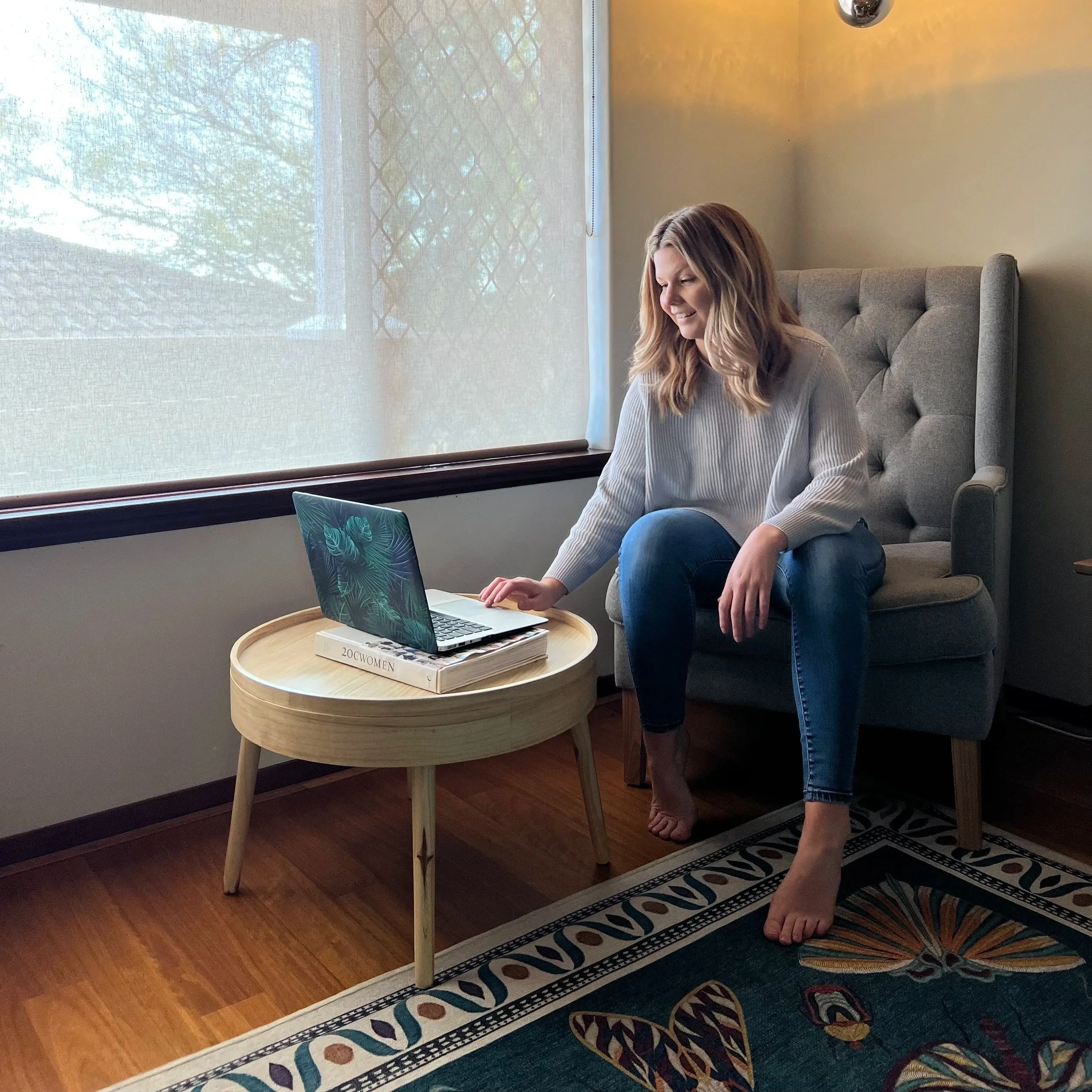
How therapy
can help
In therapy, people often realise they haven’t lost desire altogether. It has become buried underneath overwhelm, chronic stress, anxiety, shame, pressure, resentment, exhaustion, or nervous system shutdown.
Together we explore your own patterns of desire without collapsing into shame or self blame, and make space for relationship dynamics, sexual scripts, emotional safety, and the meaning intimacy has taken on over time.
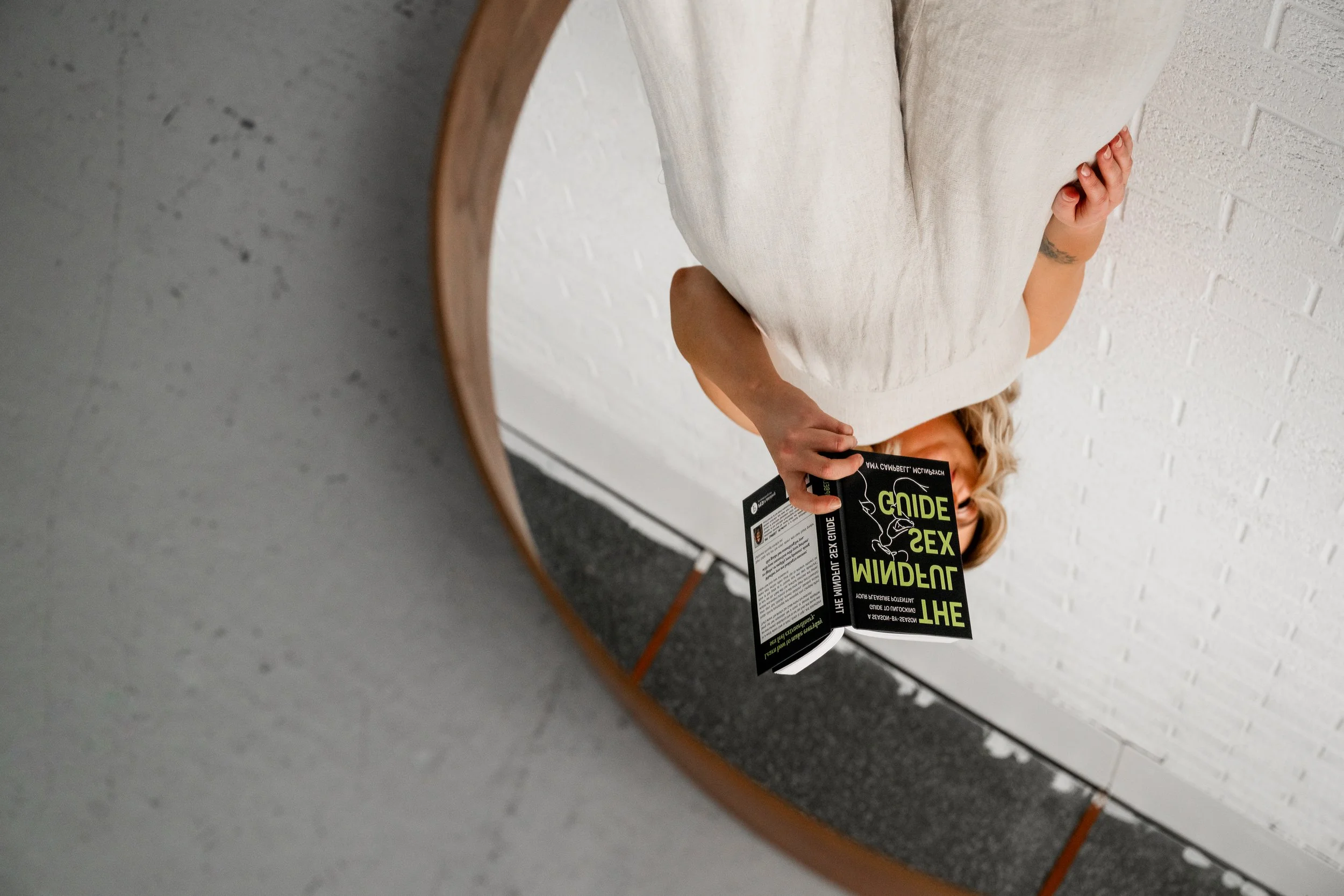
I wrote a book!
THE MINDFUL SEX GUIDE
A season-by-season guide to unlocking your pleasure potential, written by Amy Campbell.